
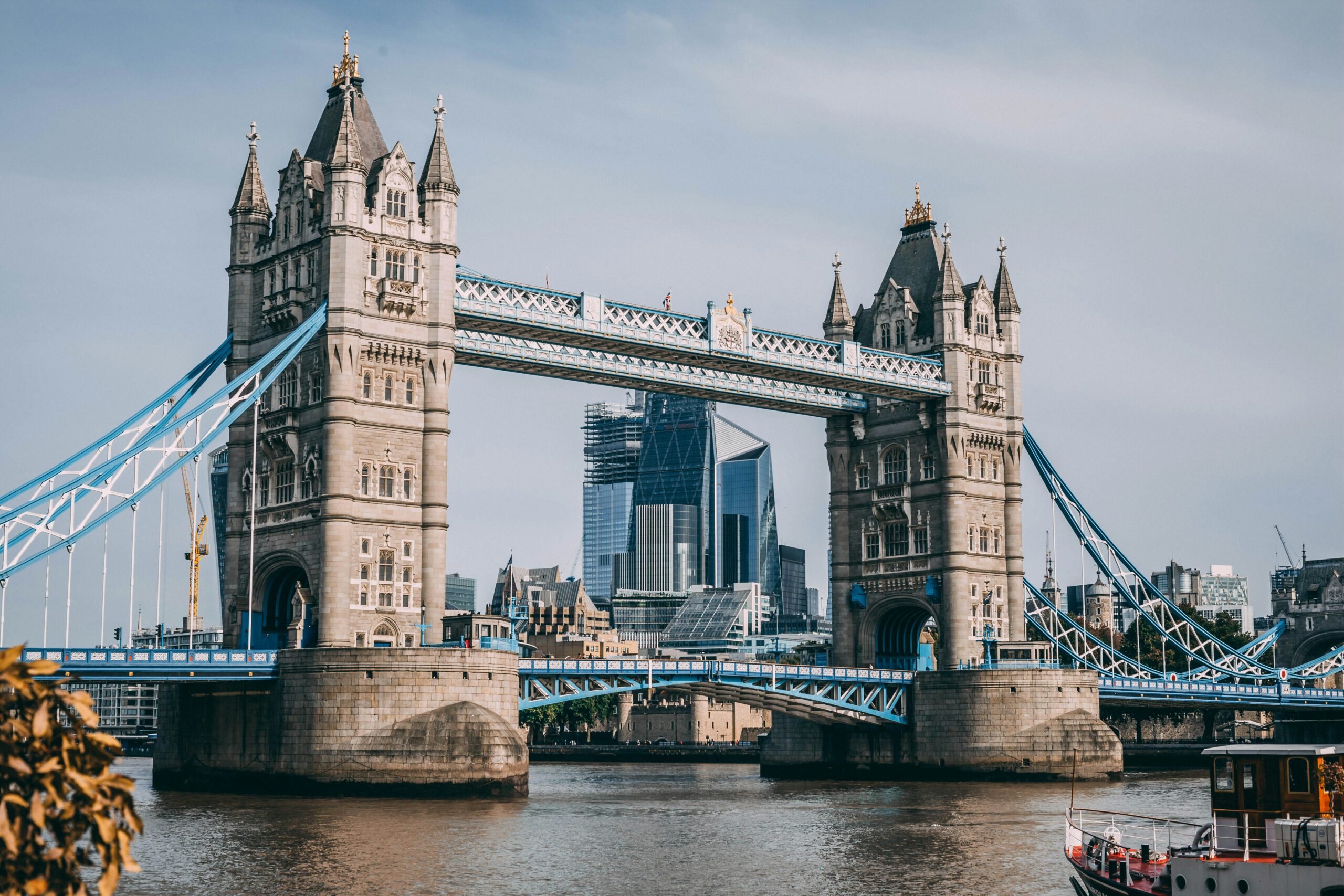
Public Transport Evolution
The evolution of public transport in Southwark has played a pivotal role in shaping the area’s connectivity and accessibility. Over the decades, the introduction of the Underground system revolutionised travel, with stations like London Bridge and Borough enhancing mobility for locals and commuters alike. Buses and trams have complemented the rail network, ensuring that even the more remote parts of Southwark remain well-connected to the heart of London and its bustling services. This intricate web of transport options has not only facilitated economic growth but also enriched the social fabric of the neighbourhoods.
Recent improvements have focused on sustainability and efficiency, reflecting broader trends in urban planning. Cycle lanes and pedestrian-friendly routes have emerged, encouraging greener modes of transport and promoting healthier lifestyles among residents. The ongoing expansion of the Overground and planned developments for transport links signify an enduring commitment to enhancing public transport infrastructure. These efforts have fostered a sense of community, allowing individuals from various backgrounds to engage more freely within this historically rich borough.
Connecting Southwark to London and Beyond
The historical development of transport infrastructure in Southwark has played a pivotal role in the borough’s connection to London and beyond. Significant advancements began in the 19th century, with the introduction of the London Bridge Station in 1836. This station not only provided direct links to the City but also acted as a catalyst for the borough’s growth, attracting both residents and businesses. The expansion of underground services, particularly the Jubilee Line, further enhanced accessibility, allowing residents to commute effortlessly across the capital and facilitating economic development.
In recent years, Southwark has seen a modernisation of its transport network, reflecting the changing needs of its diverse population. The introduction of the Thames Clipper services along the river has opened an alternative route for commuters, embracing the city’s iconic waterways. Additionally, improvements to cycling infrastructure have encouraged greener, more sustainable transportation options. These developments not only contribute to the borough’s economy but also enhance the overall quality of life for those who call Southwark home.
Green Spaces and Urban Planning
The importance of incorporating green spaces into urban planning has become increasingly recognised. Parks, gardens, and other natural areas contribute significantly to the livability of urban environments. Southwark has a rich history of integrating green spaces amidst the bustling cityscape, offering residents places to relax, socialise, and engage with nature. Thoughtful planning has ensured that community needs are met while preserving biodiversity within the urban fabric. Each green area serves as an oasis, countering the concrete sprawl and providing essential benefits to mental and physical wellbeing.
In recent years, initiatives have focused on enhancing existing parks and developing new ones, creating an interconnected network that encourages outdoor activities. The design of these spaces reflects not just aesthetic considerations but also functional ones, facilitating community engagement and cultural events. Accessible parks have become focal points for neighbourhood interaction, helping to foster a sense of community among diverse populations. Through careful urban planning, Southwark continues to prioritise green spaces as vital components that enhance the quality of urban life.
The Role of Parks in Enhancing Urban Life
Parks serve as vital lungs within urban landscapes, providing residents with essential green spaces that encourage both relaxation and recreation. In Southwark, areas such as Burgess Park and Southwark Park offer a tranquil escape from the hustle and bustle of city life. Families flock to these locations to enjoy picnics, sports, and leisurely strolls, fostering community connections and promoting an active lifestyle. Green spaces contribute significantly to mental well-being, offering a serene environment where city dwellers can connect with nature amidst the urban sprawl.
Furthermore, parks play a crucial role in enhancing the aesthetic appeal of urban areas. Creative landscaping and art installations in these spaces contribute to Southwark’s cultural identity, making areas more inviting for both locals and visitors. In addition to their recreational benefits, parks can also stimulate local economies by attracting foot traffic to nearby businesses. As urban planning continues to evolve, the integration of green areas will remain a key factor in enhancing the quality of life for Southwark’s residents.
The Influence of Culture and Arts
In Southwark, a rich tapestry of artistic expression has significantly shaped the urban landscape. Galleries, theatres, and cultural institutions dot the neighbourhood, reflecting both historical legacies and contemporary creativity. The vibrant art scene has not only attracted visitors but also encouraged local talent to flourish. This exchange creates a dynamic atmosphere where innovation thrives, fostering a sense of community among residents.
Cultural events and festivals serve as catalysts for collaboration and engagement, bridging diverse communities within the borough. Southwark’s streets come alive with performances, exhibitions, and communal activities that celebrate its multifaceted identity. The integration of art into urban planning enhances public spaces, turning them into communal gathering points that promote social interaction. With each artistic endeavour, the borough reinforces its identity as a creative hub, illustrating the essential role culture plays in shaping urban life.
Southwark as a Creative Hub in Urban Development
The cultural vibrancy of Southwark has made it an attractive destination for artists, musicians, and creatives. The area’s rich history is reflected in its artistic initiatives, from galleries featuring local talent to theatres that house avant-garde performances. Renovated warehouses and repurposed buildings contribute to this creative landscape, offering unique spaces for studios and exhibitions. These developments enhance not only the aesthetic appeal of the neighbourhood but also stimulate economic growth through tourism and local enterprises.
Through various community projects and festivals, Southwark has cultivated a strong sense of identity among its residents. This communal spirit encourages collaboration among artists and local businesses, fostering a dynamic environment where innovation thrives. As new cultural venues emerge, they bring together diverse groups, creating opportunities for cultural exchanges that enrich the urban fabric. The synergy between creative endeavours and urban development continues to shape Southwark’s identity as a forward-thinking hub.
For history-rich food trails and neighborhood highlights, explore Exploring Southwark: A Journey Through London’s Hidden Gems.