
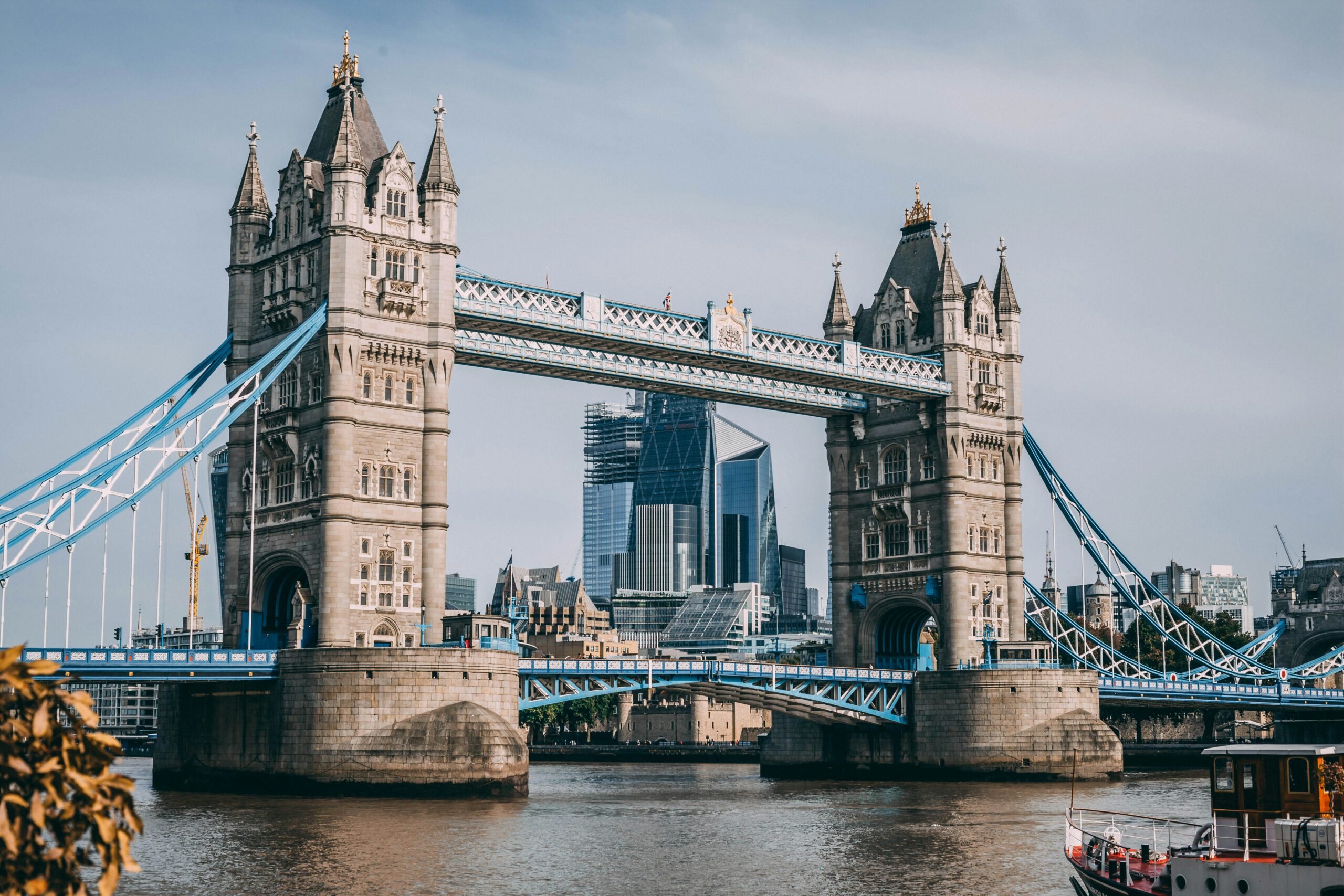
Impact of Transportation Developments
The transformation of Southwark’s landscape has been significantly influenced by advancements in transportation. In the 19th century, the arrival of the railway revolutionised how goods moved in and out of London. The establishment of railway lines and stations not only facilitated quicker transportation but also attracted various businesses keen to capitalise on the improved access to markets. This network laid the groundwork for a thriving commercial environment that helped Southwark evolve into a key player in the capital’s economic fabric.
Recent developments have further enhanced Southwark’s connectivity to both national and international markets. The ongoing upgrades to road infrastructure and the expansion of transport links, such as the London Overground, have made it easier for businesses to operate efficiently. With these improvements, Southwark has emerged as a strategic hub for trade, enabling an influx of companies to establish themselves in the area. Enhanced transportation facilities have solidified Southwark’s position as a vital contributor to London’s commercial success.
How Railways and Roads Enhanced Trade
The advent of railways in the 19th century transformed commercial activity in Southwark. This new mode of transport facilitated quicker and more efficient movement of goods, connecting local businesses to broader markets. With the establishment of pivotal stations such as London Bridge, traders could send and receive supplies at unprecedented speeds. The ability to transport bulk goods, including coal and agricultural products, significantly increased both the scale and scope of trade operations.
In addition to the railways, improvements in road infrastructure played a crucial role in bolstering commerce. The construction of well-maintained roads allowed for better connectivity between Southwark and surrounding areas. Lorries and other vehicles began to dominate the transport landscape, ensuring that goods reached consumers efficiently. This seamless movement of products reinforced Southwark’s strategic importance as a trade hub within London, allowing businesses to thrive and expand their reach across the capital.
Modern Commercial Zones in Southwark
Southwark has transformed into a thriving hub for commerce, blending historical charm with modern enterprise. Areas such as London Bridge and Borough have become focal points for businesses, attracting both start-ups and established corporations. The development of coworking spaces and tech incubators has further enhanced the area’s appeal. Investors have recognised the potential, leading to a surge in property developments that cater to various sectors, including finance, technology, and hospitality.
As the economy evolves, Southwark’s commercial landscape continues to diversify. The emergence of vibrant markets, alongside cultural institutions, fosters a dynamic environment conducive to innovation and collaboration. Restaurants, shops, and entertainment venues contribute to a lively atmosphere, encouraging foot traffic and consumer spending. This unique juxtaposition of business and leisure makes Southwark not only a commercial powerhouse but also a desirable location for residents and visitors alike.
Areas Leading the Current Economic Growth
Borough Market stands as a vibrant hub, attracting both locals and visitors with its array of fresh produce, artisanal goods, and culinary delights. This iconic market has grown beyond a simple food destination, evolving into a site that fosters small businesses and incorporates sustainable practices within the city’s economy. Its popularity bolsters Southwark’s image as a gastronomic centre, enhancing foot traffic and encouraging further investment in surrounding areas.
Another key area is the regeneration of London Bridge. This district has witnessed significant transformation, with new office spaces and residential developments emerging alongside the landmark station. The presence of multinational firms and innovative start-ups plays a crucial role in driving employment opportunities. Enhanced public spaces create an appealing atmosphere, contributing to the area’s attractiveness for both commerce and leisure, thereby enriching Southwark’s overall economic landscape.
Role of the Port of London
The Port of London has been a cornerstone of trade for centuries, significantly impacting the economy of Southwark and the wider region. Its strategic position along the River Thames afforded merchants direct access to international shipping routes. This enabled the exchange of goods such as textiles, food, and raw materials, establishing the area as a vital trade hub during England’s expansion into global markets.
Today, the legacy of the Port remains evident in Southwark’s bustling commercial activity. Modern facilities have adapted to accommodate container shipping and the logistics needed for international trade. This evolution not only bolsters Southwark’s economic landscape but also ensures its integral role in the broader network of London’s commerce, facilitating the movement of goods to and from various destinations around the globe.
Southwark’s Connection to Shipping Activities
The bustling maritime heritage of Southwark has been a key factor in shaping its economic landscape. Its proximity to the River Thames historically positioned the area as a significant hub for shipping and trade, connecting London to major ports worldwide. This advantageous location facilitated the influx of goods, fostering commercial exchange that boosted local industries. The once-thriving wharves and docks, now transformed, still echo with the legacy of seafaring activities, underscoring the enduring significance of this waterway in Southwark’s trade narrative.
In contemporary times, Southwark continues to thrive as part of the Port of London, which remains one of the busiest ports in the country. Modern shipping activities reflect a blend of historical importance with current advancements in logistics and distribution. The integration of contemporary shipping technology alongside traditional practices has revitalised Southwark’s trade sector, making it an attractive prospect for businesses seeking to benefit from the logistical advantages provided by river transport. The area stands as a testament to the vital role that waterborne commerce plays in sustaining its economic vitality.
For history-rich food trails and neighborhood highlights, explore Exploring Southwark: A Journey Through London’s Hidden Gems.