
The River’s Role in Local Legends
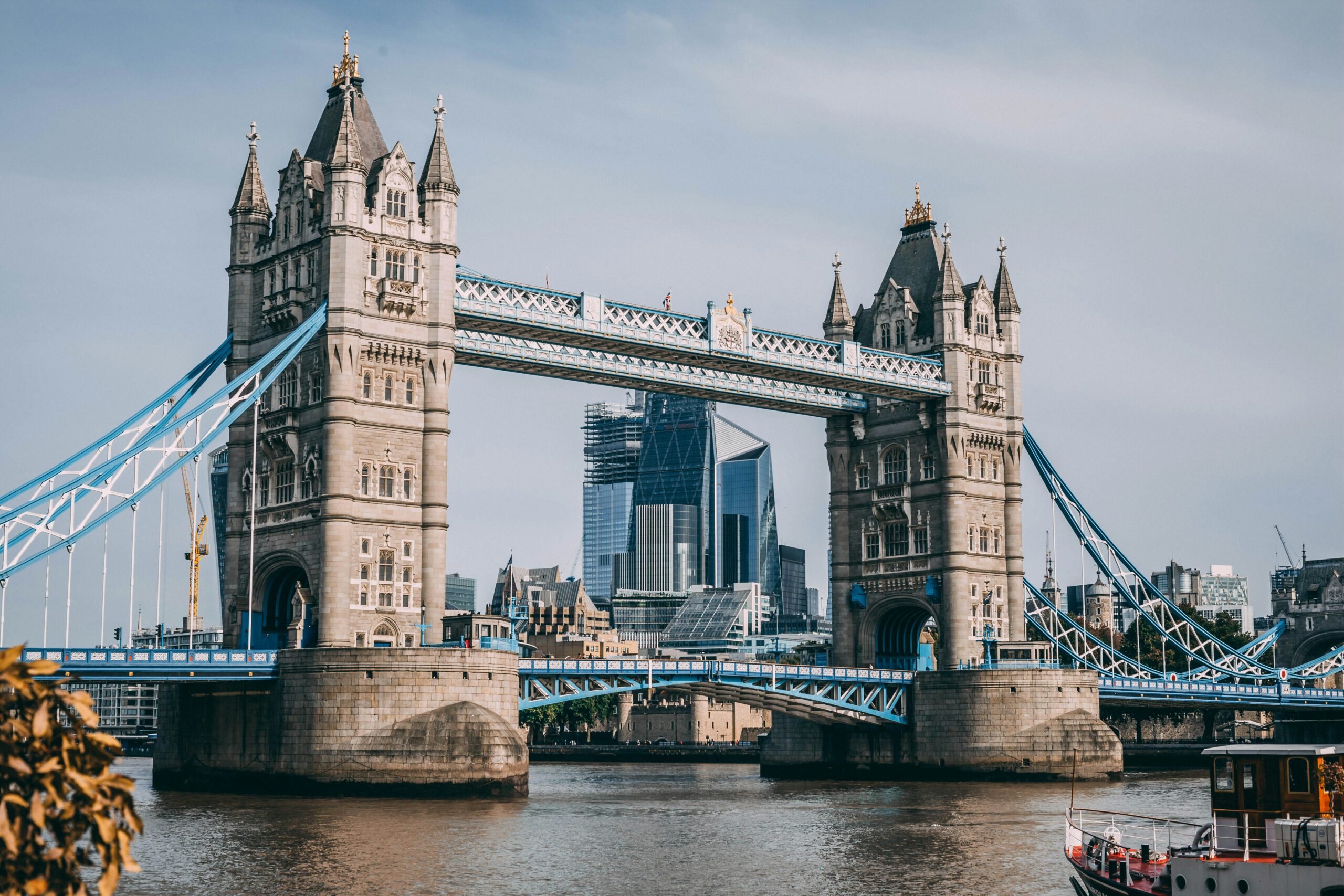
The River Thames, winding through Southwark, has always been a source of inspiration and mystery. Its waters whisper tales of ancient spirits, lost loves, and maritime folklore. Local fishermen often spoke of strange sightings beneath the surface, while poets drew from its reflective allure to craft verses that echo the river’s timeless essence. Stories of mermaids and water nymphs emerged from the depths of imagination, often capturing the attention of those intrigued by the supernatural.
Over centuries, the river’s presence has interwoven with the fabric of the community. Legends suggest that the Thames carries the souls of long-lost sailors, guiding them home on foggy nights. This connection to the past creates an atmosphere steeped in nostalgia. People gather by its banks, sharing ghostly tales that intertwine with their daily lives. The river not only nurtures the land but also flows through the cultural narratives that shape Southwark’s identity.
Myths Associated with the Thames
The Thames has long been a source of inspiration and intrigue, with its waters steeped in a rich tapestry of myth and legend. Stories of river spirits and enchanting creatures have captivated the imaginations of locals for centuries. Among the most famous is the tale of the “Thames Mermaid,” a beautiful figure said to lure fishermen with her enchanting song before dragging them into the depths. This mythical being reflects the river’s dual nature, embodying both allure and danger.
Another captivating legend speaks of the “Black Dog of Southwark,” a spectral hound believed to roam the riverbanks on foggy nights. It serves as a harbinger of doom and is often spotted by those unfortunate enough to encounter it. These dark tales not only entertain but also act as cautionary reminders, weaving a sense of mystery around the river that is both alluring and unnerving. The convergence of these myths adds depth to the cultural landscape of Southwark, making the Thames more than just a waterway; it becomes a living entity infused with stories that echo through the ages.
Southwark’s Historic Figures in Myth
The vibrant tapestry of Southwark’s history is interwoven with tales of remarkable figures who have become larger than life through storytelling. One of the most well-known is the legendary figure of John Gower, a poet and moralist whose works captured the essence of society in the 14th century. It is said that his ghost haunts the banks of the Thames, holding court to advise on matters of morality. Such narratives elevate his real-life contributions, blending them with myth in a way that both honours the past and intrigues the present.
Another notable character is the infamous Southwark character, Dick Whittington, whose journey from rags to riches inspired tales of ambition and fortune. Although a historical figure, his legend has shifted over time, merging fact with fanciful legends. Tradition holds that he heard the bells of London calling him back to achieve greatness as he ventured away, a testament to the spirit of determination that resonates with many. These stories capture the imagination, making these historic figures emblematic of the struggles and aspirations that define the cultural fabric of Southwark.
Transforming Real Lives into Folklore
Throughout the ages, the vibrant tapestry of Southwark has woven real-life characters into the fabric of local folklore. Tales of heroic figures, cunning rogues, and tragic heroines have captivated the imaginations of residents and visitors alike. Often, these stories draw heavily on the lives of ordinary people who faced extraordinary circumstances, elevating their experiences to legendary status. The boundaries between fact and fiction blur as these narratives evolve, each retelling adding new layers to their complexity and significance.
Many of these legends are anchored in specific events or places that resonate with the community. Stories of individuals who dared to defy the odds, such as local artisans or those who championed social causes, continue to inspire generations. Their legacies often serve as reminders of resilience and the human spirit’s capacity for greatness, transforming mere historical facts into enduring tales that shape collective identity. These narratives not only honour the past but also encourage a sense of belonging among residents, embedding the essence of these figures within the community’s cultural landscape.
The Influence of the Globe Theatre
The Globe Theatre stands as a pivotal landmark in the rich tapestry of Southwark’s cultural heritage. Its vibrant performances not only captivated audiences but also breathed new life into local legends and folklore. Many plays drew inspiration from the stories and characters rooted in the very streets and waters of Southwark. This theatrical revival allowed traditional tales to be shared and transformed in ways that resonated with both local citizens and visitors alike.
As the Globe became a focal point for dramatic expression, it facilitated the blending of history and myth. Playwrights took advantage of the theatre’s prominence, crafting narratives that intertwined the lives of historic figures with the fantastical elements of local legends. The dynamic performances solidified these tales in the public consciousness, ensuring that the essence of Southwark’s folklore lived on. Each rendition added layers of interpretation, creating an ongoing dialogue between past and present in the vibrant creative scene of Southwark.
Dramatizing Local Legends
Southwark’s rich tapestry of folklore has served as a fertile ground for dramatists and performers throughout history. The Globe Theatre, renowned for its connection to Shakespeare, became a hub where local stories were vividly brought to life. Actors roamed the stage, embodying not just the characters of grand narratives but also the common folk whose lives intertwined with the myths of the region. These performances not only entertained but also preserved the unique essence of Southwark’s culture, enabling audiences to connect with their heritage in profound ways.
The legends of Southwark, from the tragic fates of notorious figures to the ghostly tales along the Thames, provided endless inspiration for playwrights. Each story resonated with audiences, inviting them to reflect on their own experiences and the truth behind the myths. As the theatre drew crowds from all walks of life, it became a vehicle for communal memory and identity, ensuring that the tales of yesteryear lingered long after the final curtain fell. The echoes of these performances, infused with the spirit of the local legends, continue to shape the cultural landscape of Southwark today.
For history-rich food trails and neighborhood highlights, explore Exploring Southwark: A Journey Through London’s Hidden Gems.