
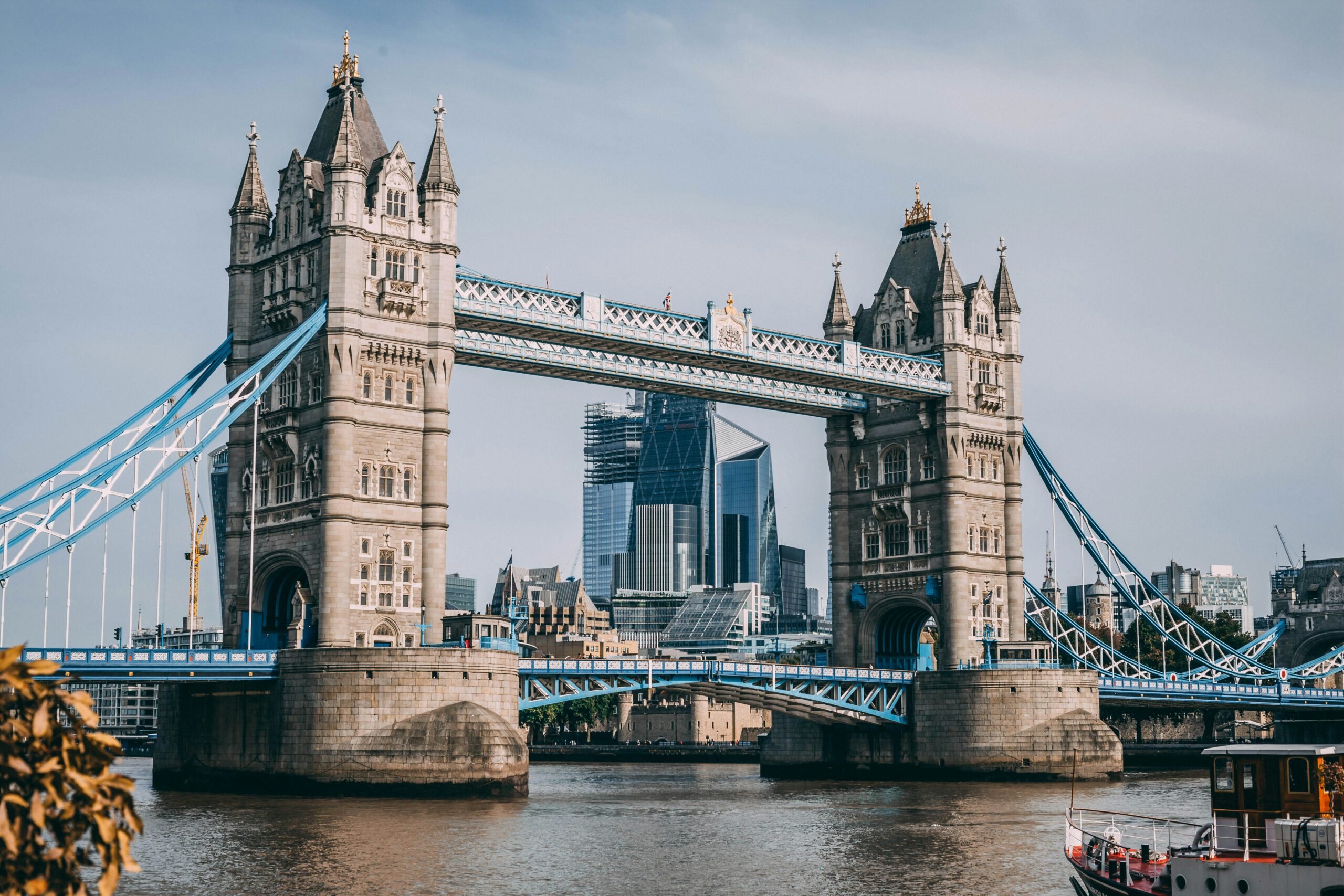
Southwark Bridge
This elegant crossing, completed in 1921, showcases the distinct architectural style of its time. Designed by Charles Henry Holden, it presents a striking contrast to its older counterparts with its streamlined, modernist form. The use of granite in its construction adds to its allure, while its subtle Art Deco details invite closer inspection. Strolling across the bridge offers stunning views of the River Thames and the surrounding area, revealing glimpses of Southwark’s rich history intermingled with contemporary developments.
A lesser-known aspect of this bridge is its role during World War II. It served as a vital connection for the local community as well as for military logistics. Like many structures in London, Southwark Bridge experienced damage from air raids, raising the significance of its preservation for both transportation and heritage. Today, it remains a crucial thoroughfare, facilitating movement and access to the cultural treasures laid out along the banks of the Thames.
Unique Features and Lesser-Known Facts
Southwark Bridge stands out for its striking design and historical significance. Completed in 1921, it features a steel arch construction that is both functional and aesthetically pleasing. While many visitors flock to the more famous London Bridge, Southwark Bridge often remains overlooked. The bridge boasts beautiful limestone and granite detailing, lending it a timeless charm. Its arch not only allows for the passage of large vessels but also creates a stunning silhouette against the city skyline.
A lesser-known fact about Southwark Bridge relates to the area’s rich history. The bridge was originally the site of a medieval river crossing, with several iterations preceding the current structure. Local lore tells tales of its connection to Charles Dickens, whose characters frequently navigated the streets of Southwark. The approach to the bridge is equally noteworthy, featuring a pedestrian walkway that invites leisurely strolls along the river. This unique combination of history and beauty makes Southwark Bridge an essential yet often unappreciated part of London’s landscape.
The Importance of River Crossings
River crossings serve as vital arteries that connect communities and facilitate the flow of goods. In Southwark, these crucial infrastructures not only support local economies but also encourage tourism by providing scenic views and access to various attractions along the Thames. Each crossing contributes to the fabric of daily life, forging links between diverse neighbourhoods and ensuring that resources are shared seamlessly across the river.
Beyond their economic significance, these structures have historical and cultural importance that resonates with residents and visitors alike. They embody stories of resilience, innovation, and the evolving identity of Southwark. As places of congregation and transit, river crossings foster a sense of belonging and unity, highlighting the critical role they play in the social landscape of the area. Their presence enhances the charm of Southwark, making them not just functional but also symbolic landmarks of urban connectivity.
Economic and Social Impacts on Southwark
The presence of bridges in Southwark has significantly transformed the local economy. These structures facilitate the movement of goods and people, fostering trade and enabling businesses to thrive. They have attracted tourism by showcasing historical significance and architectural beauty. Financial benefits extend beyond immediate commerce, as increased foot traffic positively influences retail establishments and hospitality venues in the vicinity.
In addition to economic advantages, bridges serve as vital social connectors within the community. They encourage interaction among residents and contribute to a sense of identity and belonging. Cultural events and recreational activities often occur in the spaces around these crossings, fostering community spirit. Accessibility also improves social mobility, allowing individuals to engage more readily with diverse opportunities in the greater London area.
The Role of Bridges in Transportation
Bridges play an essential role in the transportation network of Southwark, facilitating movement across the River Thames and connecting various parts of the city. They provide vital links for vehicles, pedestrians, and cyclists, helping to ease congestion in urban areas while offering scenic routes for those wishing to explore the city’s rich history. The bridges not only serve their functional purpose but also enhance the aesthetic landscape, contributing to the character of the local environment.
In addition to improving connectivity, bridges are instrumental in supporting public transport initiatives. Many of them accommodate bus routes and, in some cases, tram lines, allowing for seamless transit between different neighbourhoods and attractions. This integration of various transport modes fosters a sense of accessibility and promotes the use of public transportation, ultimately reducing reliance on personal vehicles and supporting sustainable urban development.
Connectivity Across the Thames
Bridges in Southwark serve as vital arteries, enhancing mobility and access throughout the area. These structures facilitate not only the commute for residents and workers but also encourage tourism. The convenience of crossing the Thames has contributed significantly to the ease of travel between Southwark and neighbouring boroughs, fostering a sense of community and interconnectedness. Each bridge contributes uniquely to the landscape, drawing in foot traffic that supports local businesses and cultural venues.
The pivotal role of these crossings extends beyond mere transportation; they connect people and places in a way that nurtures social interactions. Events and public gatherings often take place in the vicinity of these iconic structures, turning them into focal points for celebrations and community life. As traffic patterns evolve, the bridges adapt to accommodate increasing numbers of pedestrians and cyclists, reflecting a progressive approach to urban transport and planning. This evolution underscores the importance of maintaining and upgrading these crossings to ensure they meet the needs of a growing population.
For history-rich food trails and neighborhood highlights, explore Exploring Southwark: A Journey Through London’s Hidden Gems.